

SMITHFIELD
The Smithfield name is associated with shaggy working dogs used to move livestock, particularly a historical British droving type and dogs maintained in Tasmania. Its appeal lies in practical herding ability rather than a consistently documented show standard.
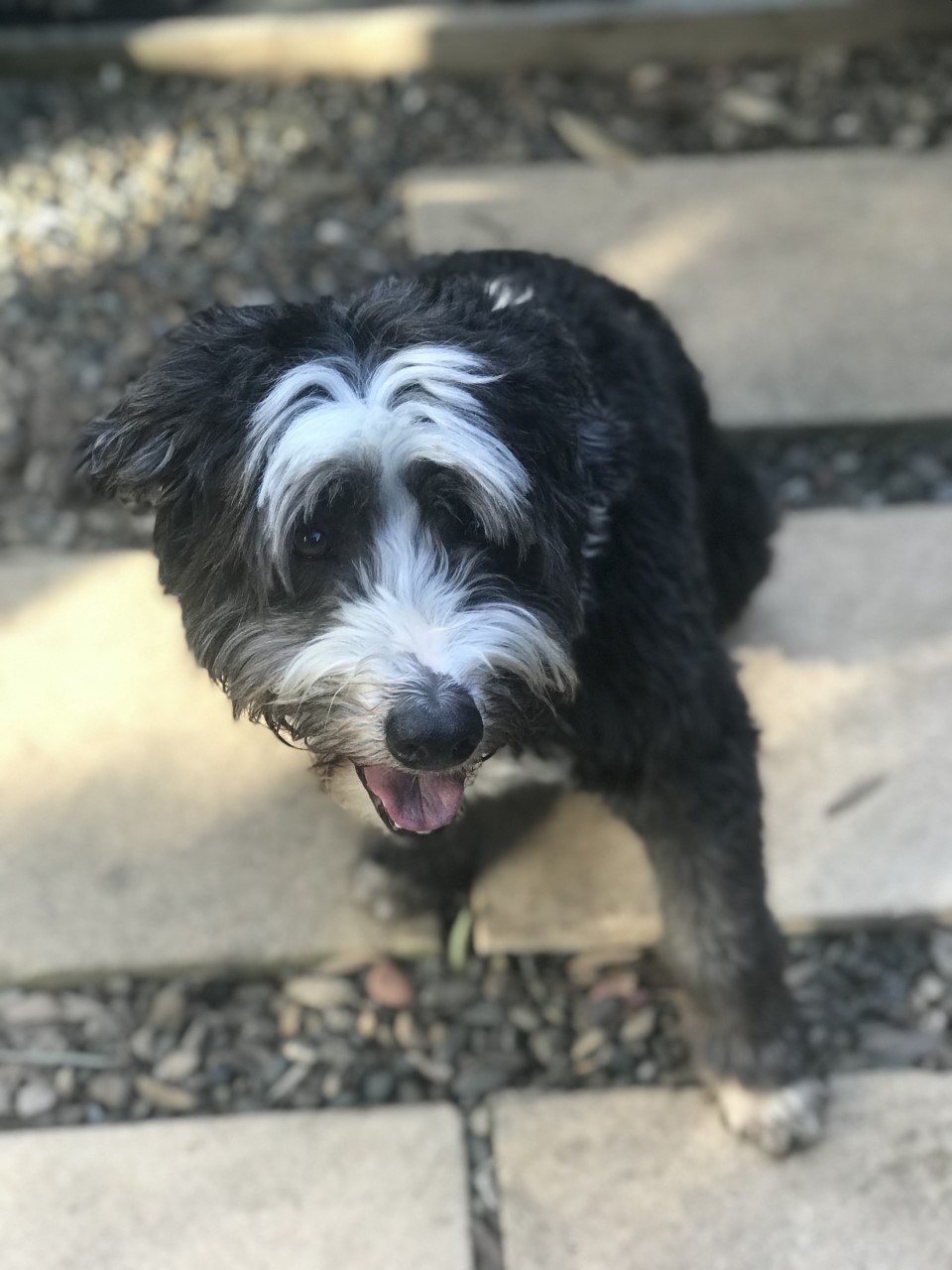
| Origin | Historically associated with Britain and London’s Smithfield livestock market; the name also survives in Tasmania. The relationship between historical British dogs and present-day Tasmanian populations requires careful sourcing. |
|---|---|
| Group | Herding and droving type; an official registry classification has not been established for this draft. |
| Size | Generally described as medium to large, but the name does not establish a reliable, uniform size. |
| Temperament | Working descriptions emphasize alertness, energy and responsiveness to livestock. Sociability, sensitivity and herding intensity should be assessed in the individual dog rather than assumed from the name. |
| Exercise | Best suited to regular active outings, opportunities to sniff and explore, and mentally engaging work. A yard alone is unlikely to meet the needs of a keen working individual. |
| Grooming | Shaggy-coated dogs need thorough brushing and combing, with particular attention to friction areas and debris caught after outdoor work. Coat density and maintenance demands vary. |
| Trainability | Potentially responsive to reward-based training, especially when tasks provide a clear outlet for working motivation. Movement sensitivity and independent decision-making can require patient management. |
About the breed
Historically, Smithfield referred to shaggy livestock dogs associated with British drovers and the London livestock trade. Their purpose was practical: helping people control and move animals. The name should not automatically be interpreted as identifying a modern pedigree breed with a single documented standard.
The historical British type is commonly described as having disappeared as a distinct population, while the Smithfield name remains associated with working dogs in Tasmania. Accounts of ancestry, importation and relationships to other Australian herding dogs need checking against archival records. A direct, uninterrupted pedigree connection should not be assumed.
Dogs described as Smithfields may now be kept for farm work or companionship. Suitability depends on the particular dog’s background, working drive, health and upbringing. An active home comfortable with herding behavior and substantial coat care is a more plausible match than a household seeking a predictable, low-maintenance companion.
Appearance
Descriptions commonly feature a sturdy, shaggy herding dog, sometimes with a short or bobbed tail. Build, coat texture, color, ear carriage and tail length should not be presented as fixed breed requirements without an identified standard. Historical short tails do not establish whether a particular dog was naturally bobtailed or docked.
Temperament & personality
A working Smithfield may be highly attentive to movement and motivated to influence where animals or people go. That can translate into chasing, circling or heel-directed behavior in a household. Compatibility with children, visitors and other pets depends on individual temperament, socialization and management.
Exercise requirements
Combine walks and exploration with training games, scent work or suitable supervised herding activities. Introduce strenuous work gradually according to age, fitness and veterinary advice. Teach relaxation as deliberately as activity, and provide secure boundaries where chasing livestock, wildlife or traffic is a risk.
Training
Prioritize recall, loose-lead walking, disengagement from moving distractions and a reliable settle. Reward calm behavior around children and animals rather than allowing uncontrolled chasing as play. Livestock training should involve an experienced instructor and protect animal welfare; working instincts do not replace training.
Grooming
Work through the coat to the skin with appropriate brushes and a comb, checking behind the ears, under the legs and around the hindquarters for tangles. Remove burrs and inspect paws after rural outings. Keep nails comfortable, maintain dental care and seek professional help for matting rather than cutting close to the skin with scissors.
Nutrition
Choose a complete, balanced diet appropriate to life stage and actual workload. Adjust portions using body condition rather than the Smithfield label, since size and activity can vary. Heavy coats can conceal weight changes, so assess the ribs and waist by touch as well as sight.
Health considerations
Reliable Smithfield-specific disease prevalence and a validated breed-wide screening protocol are not established here. Ask for the parents’ veterinary history and any documented health testing, and have a veterinarian recommend screening based on ancestry, build and intended work. Active rural dogs also need attention to injuries, parasites, paw damage and heat exposure. A working background is not a guarantee of sound health.
Lifespan
A dependable Smithfield-specific lifespan estimate is not available for this draft. Longevity should be discussed using verified family records where possible, alongside the individual dog’s size, condition and medical history.
Is this breed right for you?
Consider a Smithfield if you can assess the individual dog carefully and provide structured activity, training and coat maintenance. Meet adult relatives when possible and ask how the dog behaves away from livestock. Be cautious if you need predictable size, minimal grooming or an easy fit with small pets and fast-moving children.
Pros
- May suit owners seeking an engaged companion for active rural life.
- Working individuals can offer useful livestock-handling ability with appropriate training.
- Can enjoy shared activities that combine movement and problem-solving.
Considerations
- Recognition status, ancestry and the meaning of the name need verification.
- Adult size, coat and behavior may be less predictable than a breed label suggests.
- Herding and chasing behavior require management around children and animals.
- A shaggy coat can collect debris and develop mats.
- Breed-specific health and longevity evidence is limited.
Similar breeds
Old English Sheepdog — a recognized shaggy herding breed; resemblance does not establish direct ancestry.Bearded Collie — a recognized active, long-coated herding breed with substantial grooming needs.Australian Stumpy Tail Cattle Dog — a recognized Australian working breed, distinct from dogs called Smithfields.Australian Cattle Dog — another livestock-working option, with different coat care and a documented breed standard.
ROTTLE challenge
Think you know this breed? Can you identify it in six guesses?
Play ROTTLE